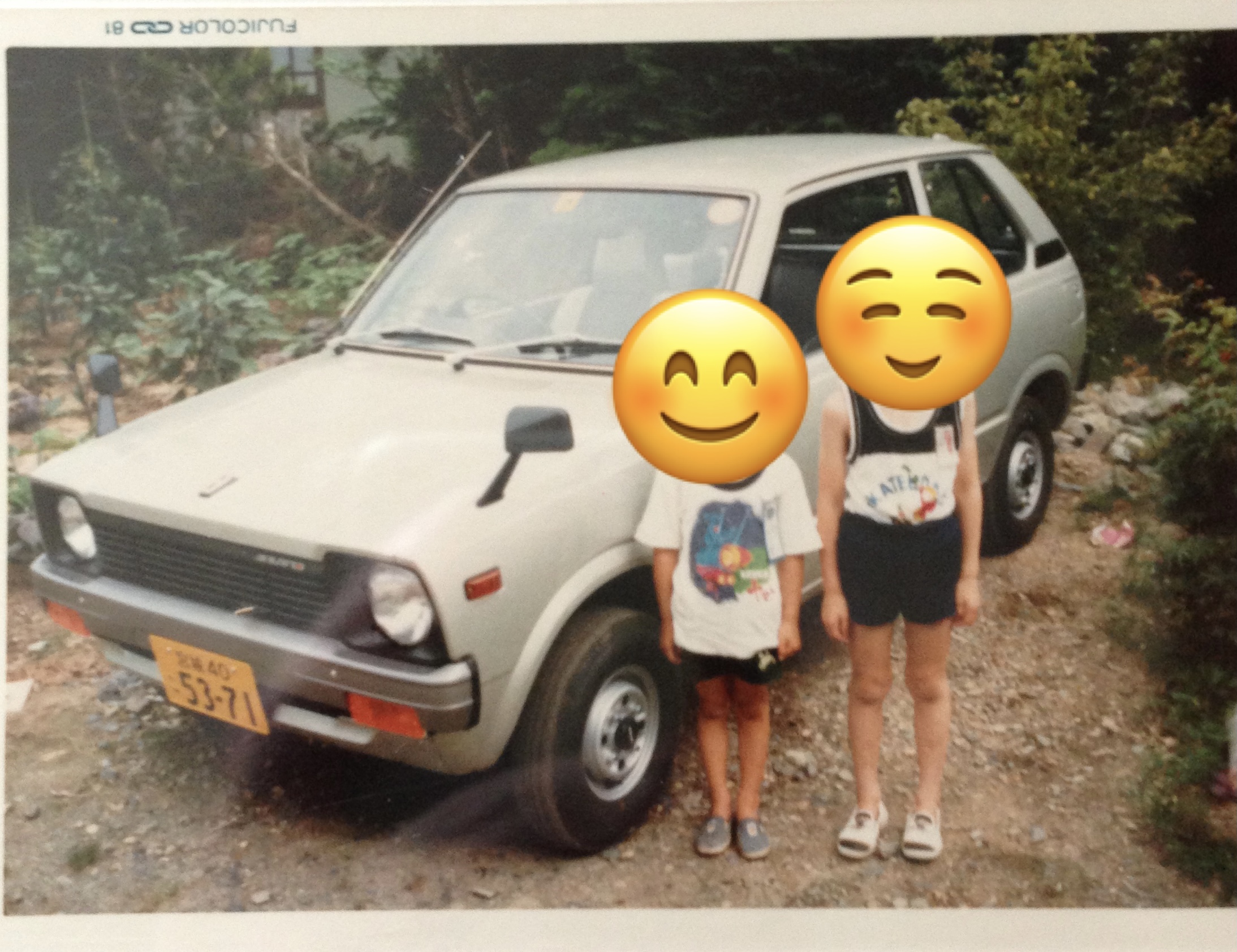
First-Generation Suzuki Alto: A Nostalgic Family Memory
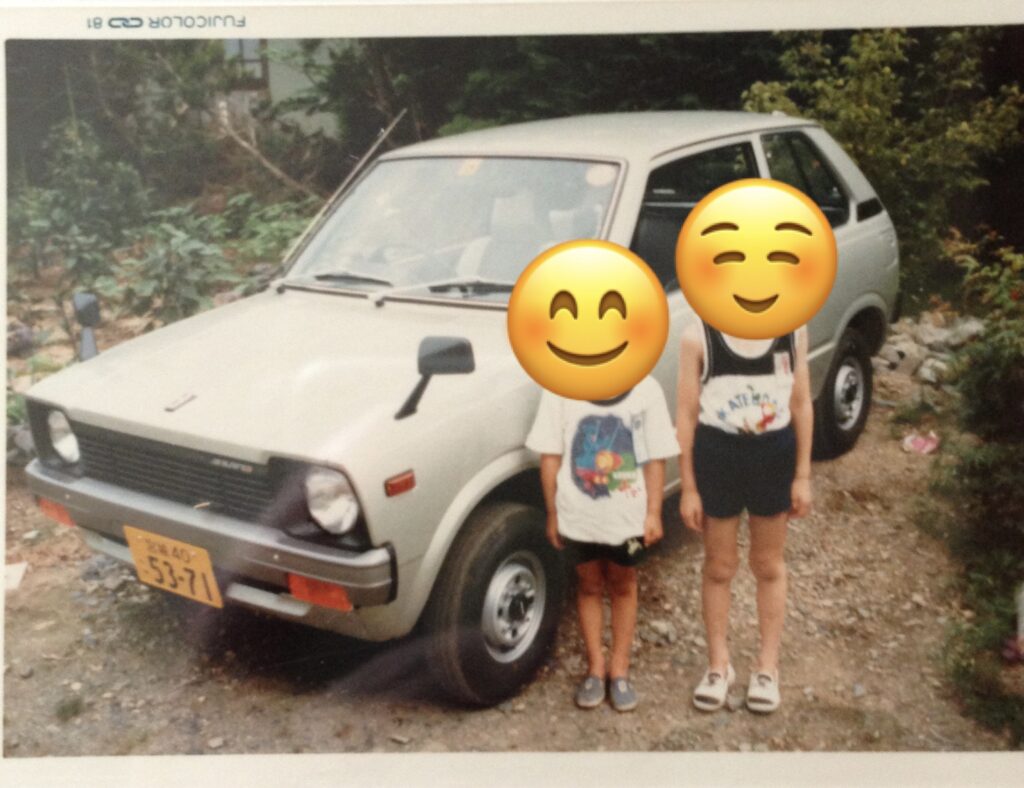
While going through old family photo albums, I came across a photograph that instantly brought back memories.
It was our old family car — the first-generation Suzuki Alto.
For our household, this car represented something special. Until the Alto arrived, the only vehicle we owned was a kei truck. The Alto was our very first passenger car, and at the time, it felt like a major upgrade.
Our First Passenger Car After a Kei Truck
Before the Alto, practicality came first. The kei truck served its purpose, but it wasn’t exactly ideal for family outings.
When the Suzuki Alto arrived, it felt like stepping into a new chapter. Even though it was a compact kei car, it symbolized comfort and progress for our family.
However, in order to keep the price affordable, our model was based on the commercial vehicle specification. That meant compromises.
The Commercial-Spec Interior: Built for Cost Efficiency
The rear seats were extremely upright and narrow. Even as children, sitting in the back felt cramped.
The design clearly prioritized cost reduction over passenger comfort. Yet at the time, none of that really mattered. It was our car, and that alone made it special.
Looking back, it perfectly reflects the economic realities of Japan’s automotive market during that era — simplicity, affordability, and practicality above all else.
The Rare 2-Stroke Engine Alto
One of the most distinctive features of early first-generation Suzuki Alto models was the 2-stroke engine option, which existed only in the initial production period.
This engine gave the car:
- A unique, high-pitched exhaust note
- Noticeable white exhaust smoke
- A mechanical character you rarely experience in modern cars
For a child who already loved automobiles, that sound and smell were unforgettable.
Childhood Memories and a Growing Love for Cars
I was already a car enthusiast as a child. No one asked me to, but I would wash the Alto whenever I could.
Cleaning it, looking at its simple design, and listening to that unmistakable two-stroke sound helped shape my lifelong passion for automobiles.
Today’s vehicles are undeniably more advanced, cleaner, and comfortable. But there was something raw and honest about those early kei cars — especially the first-generation Suzuki Alto.
Why the First-Generation Suzuki Alto Still Matters
The first-generation Suzuki Alto was more than just an affordable kei car. It represented:
- Japan’s economic practicality in the late 1970s
- Accessible mobility for ordinary families
- The transition from work-focused vehicles to personal transportation
For my family, it marked the moment we moved from owning just a utility vehicle to owning a true passenger car.
And for me, it marked the beginning of a lifelong love of automobiles.
The History of the Suzuki Alto: A Kei Car Icon
The Suzuki Alto is one of the most significant models in Japan’s kei car history. First introduced in 1979, it was designed as an affordable and practical vehicle for everyday use.
1979: The Birth of the First-Generation Suzuki Alto
When Suzuki launched the Alto, the goal was clear: create a low-cost passenger car that complied with Japan’s kei car regulations while remaining accessible to ordinary households.
Key characteristics of the first-generation model included:
- Lightweight body construction
- Compact dimensions tailored to kei regulations
- Extremely affordable pricing
- Commercial van-based specifications to reduce tax and insurance costs
In fact, the original Alto was officially classified as a commercial vehicle in Japan. This classification allowed Suzuki to keep ownership costs remarkably low, which played a major role in its explosive popularity.
Early versions were powered by a 2-stroke engine, a design that was gradually phased out in favor of cleaner and more efficient 4-stroke engines as emissions standards tightened in the 1980s.
The Evolution Through the 1980s and 1990s
As Japan’s economy grew, so did consumer expectations.
Throughout the 1980s and 1990s, the Suzuki Alto evolved:
- Improved ride comfort
- More refined interiors
- 4-stroke engine standardization
- Introduction of sportier variants
One particularly notable branch of the Alto lineage was the high-performance Alto Works, which helped redefine what a kei car could be. Turbocharging and lightweight engineering transformed the Alto from a purely economical vehicle into a legitimate enthusiast platform.
The Alto in the Modern Era
Over the decades, the Suzuki Alto continued to adapt:
- Enhanced fuel efficiency
- Advanced safety features
- Hybrid technology in later generations
- Modernized design language
Despite these advancements, the Alto has consistently remained true to its core philosophy: affordability, efficiency, and practicality.
Why the Suzuki Alto Became a Kei Car Legend
The Alto’s success was not accidental. It arrived at the perfect time in Japan’s automotive history:
- Rising demand for affordable personal transportation
- Expanding suburban development
- Tight kei car regulations encouraging innovation
- Economic conditions favoring cost-effective vehicles
For many families, the Alto was their first passenger car — just as it was for ours.
It wasn’t just transportation. It was mobility, independence, and progress.
Leave a Reply